
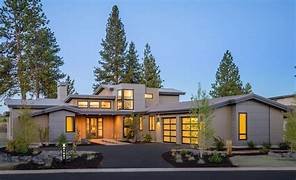
The New Wave of Home Design
In recent years, experimental home architecture has gained significant traction among architects and homeowners alike. This innovative approach emphasizes creativity and functionality, challenging traditional design norms. By incorporating unique materials, forms, and technologies, experimental architecture aims to redefine how we interact with our residential spaces.
Key Features of Experimental Homes
Experimental home architecture is characterized by its bold designs and sustainable practices. Unlike conventional houses, these structures often feature asymmetrical shapes and dynamic layouts, encouraging fluid movement and interaction within the space. Moreover, many experimental homes prioritize eco-friendly materials and energy-efficient solutions, reflecting a growing awareness of environmental impacts.
The Benefits of Embracing the Experimental
Investing in experimental architecture offers various advantages. These homes not only stand out visually but also provide a customizable living experience tailored to individual needs. Homeowners can enjoy open concepts that foster openness and connectivity. Additionally, with the rise of smart home technology, experimental designs can easily integrate modern conveniences that enhance everyday living.
As the world of architecture evolves, experimental home architectures continue to inspire and challenge our understanding of what a home can be. By embracing innovation and sustainability, these designs pave the way for a new era of living that meets the needs of today’s homeowners while caring for the planet.